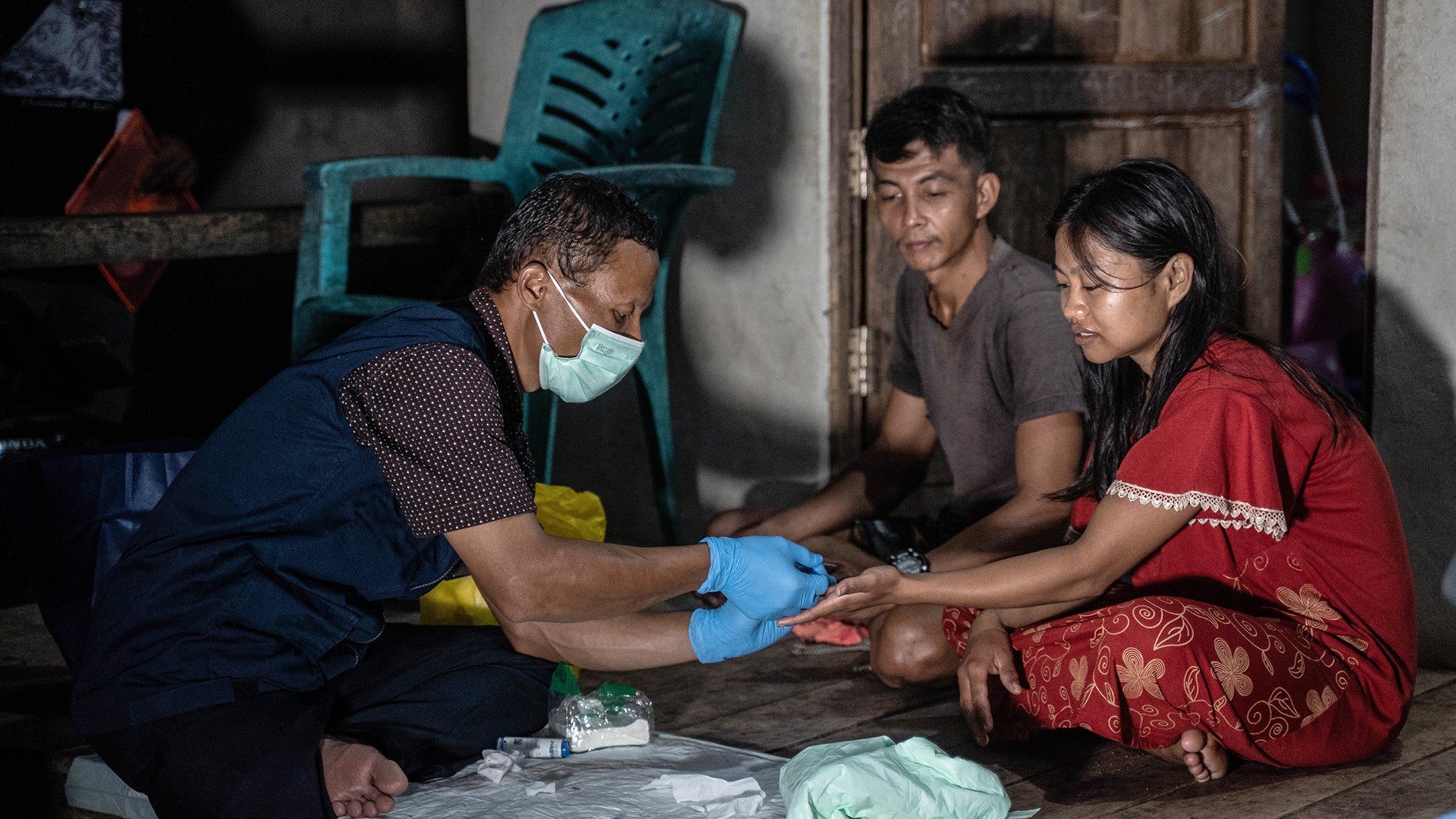
Spotlighting Global Infectious Disease
Infectious disease has been the leading cause of death throughout history — more than all wars and conflicts combined, and cumulatively, more than deaths from non-communicable disease. Tackling 21st century infectious disease challenges with modern day tools and technologies across borders and multi-national contexts calls for uniquely trained individuals equipped to confront them.
Infectious Disease: A Persistant Global Threat
A known 1,400 infectious pathogens cause disease in humans, and while remarkable advances in science and public health have significantly reduced the burden of death and disability caused by these agents, infectious disease continues to cause significant morbidity and mortality in many parts of the world.
In high-income countries like the United States, where infectious disease is responsible for less death and disability, the ongoing risk of disease outbreaks, epidemics, pandemics, and intercurrent issues such as anti-microbial resistance continue to pose significant public health challenges.
Many changes in our world today, including globalization, migration, climate change, deforestation, rapid advances in technology and mobility, all increase interactions between microbes, humans and other co-inhabitants of our planet. While these have led to emerging and re-emerging infectious diseases, they have also expanded the repertoire of tools and interventions we have for dealing with infectious disease threats.

HIV/AIDS
Before the widespread availability of anti-retroviral treatment in the early 2000s, approximately 45 million people had been infected with the HIV virus, with 20 million dying of AIDS in the preceding 20 years. The 26th Special Session of the General Assembly in June 2001 marked the first time a disease (HIV/AIDS) was discussed at the highest deliberation body in the world.
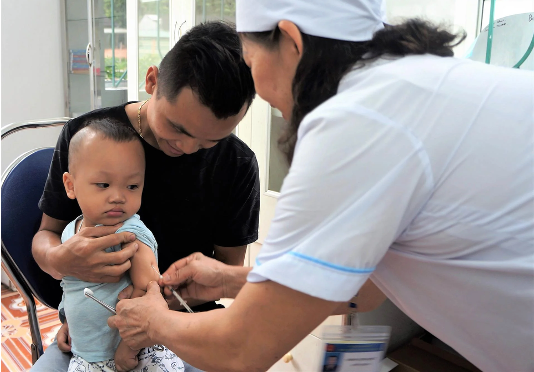
Vaccination
2024 marked the 50th anniversary of the WHO-led Expanded Program on Immunization (EPI) that is considered to be one of the most effective public health interventions ever implemented. Global vaccination efforts are estimated to have averted 154 million deaths, including 146 million children younger than 5 years of age. Vaccination has accounted for 40% of the observed decline in global infant mortality.
World Health Organization’s Top 10 Threats to Global Health
Six of the Top 10 threats to global health were infectious disease-related
Infectious Disease-related
- Global influenza pandemic
- Anti-microbial resistance
- Ebola and high-threat pathogens
- Vaccine hesitancy
- Dengue
- HIV
Non-Infectious Disease-related
- Air pollution and climate change
- Non-communicable diseases
- Fragile and vulnerable settings
- Weak primary health care
The Field of Global Infectious Disease Explained
The ‘Global’ in Global Infectious Disease
- Pertains to conditions that call for multi-national, cross border interventions and collaboration
- Conditions that affect more than one country
- Application of public health within a global/international context
- Encompasses International health
- Includes infectious disease challenges within a single country that could threaten other nations
The ‘Infectious Disease’ in Global Infectious Disease
- Pertains to infectious diseases of public health concern at national, regional and global levels
- Considers preventable, treatable, eliminable, eradicable, controllable conditions
- Considers major threats to global health
- Considers unique infectious diseases — tropical, emerging and re-emerging
- Considers conditions with epidemic/pandemic potential
- Considers infectious diseases with high fatality or serious complications
Global Infectious Disease graduates have many career options across government and non-governmental sectors in specialties including data modeling, science policy analysis, biomedical research, public health advocacy, and many other important areas.
In the public sector, many parts of the federal government, as well as state and local health departments need professionals that possess practical skills in managing infectious disease prevention and response to disease outbreaks.
Private sector government contractors, non-government actors, consulting firms, pharmaceutical companies, advocacy organizations, nonprofits and global health program implementers have openings that match well with skills gained from the Global Infectious Disease program.
Global Infectious Disease Career Outlook
Our 2025 Employment Report shares data regarding the employment status and statistics for our graduates six months post-graduation.