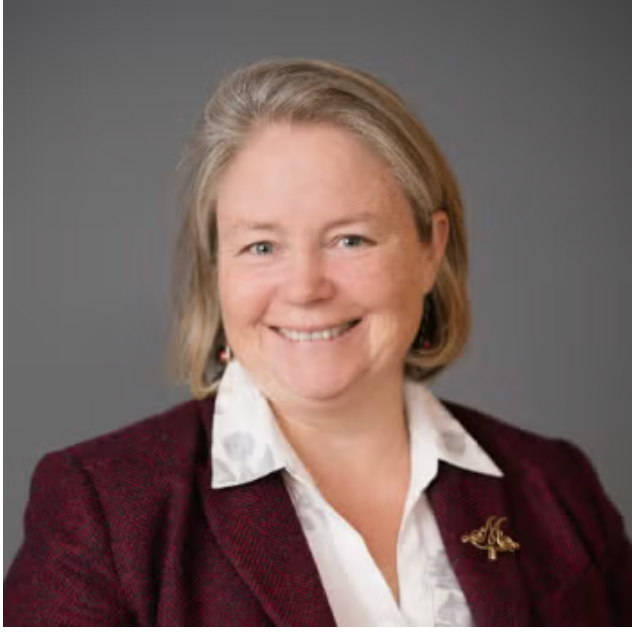
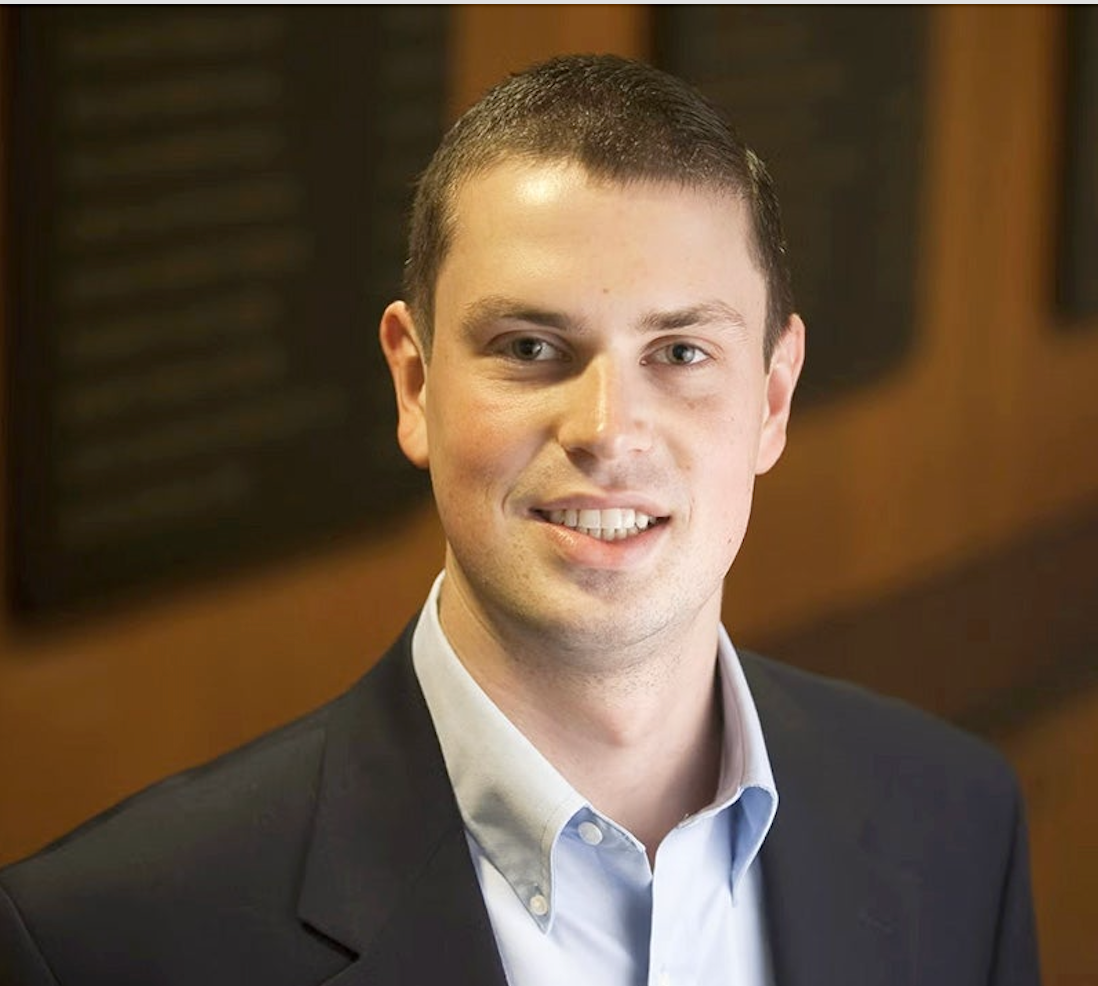
Our diverse faculty practice what they teach with expertise and experience across many disciplines applied within public and global health. Many of them have been or are actively involved in health projects and interventions across the world.
Students work closely with faculty, forming professional connections that help prepare them for careers tackling infectious disease challenges.
Executive Committee
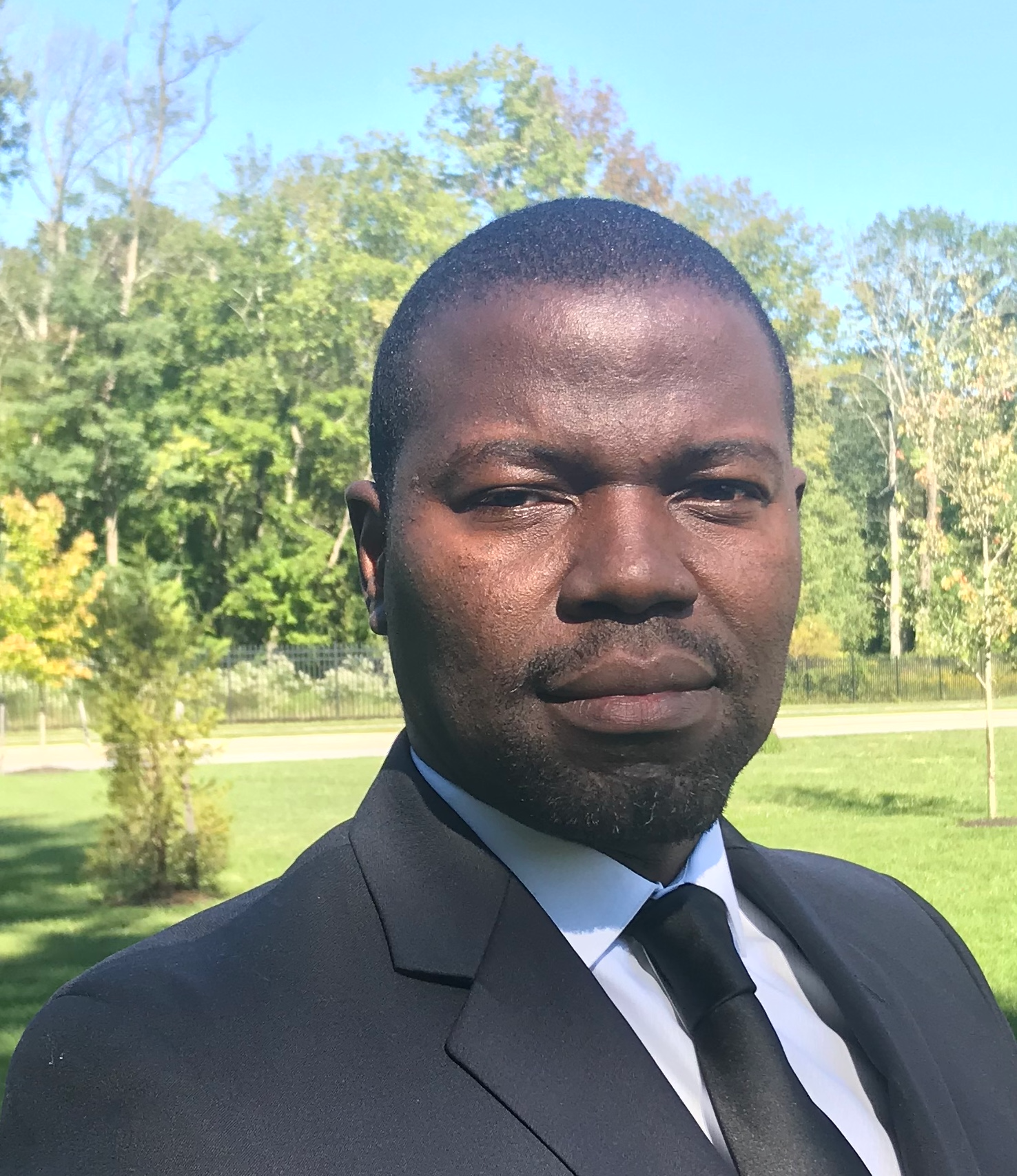
Babatunji Oni, Assistant Professor
Dr. Oni is the Director of the Master’s Program in Global Infectious Disease and holds joint faculty appointments in the Departments of Global Health and Medicine. A seasoned public and global health practitioner, Dr. Oni has overseen implementation of health programs in over 20 countries in Africa, Oceania, and the Caribbean. Dr. Oni is also the lead instructor for the flagship M.S. in Global Infectious Disease course – Interdisciplinary Perspectives in Global Infectious Disease.
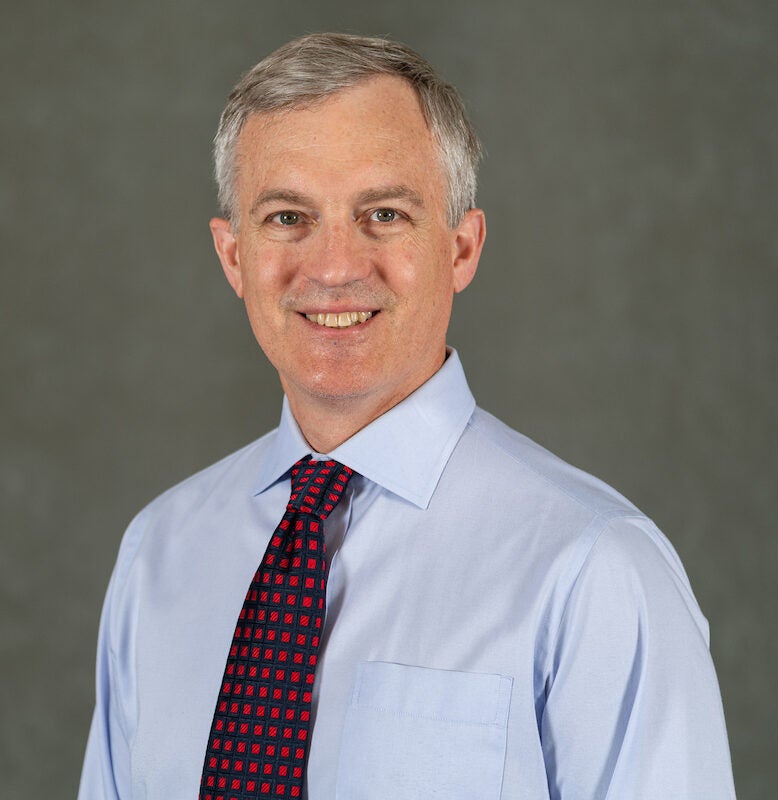
Dr. Steven Singer’s research is focused on understanding mucosal immunity and its application to improved human and animal health. His laboratory specializes in experimental studies with the protozoan parasite Giardia duodenalis. He serves as the Director of the PhD degree in the Global Infectious Disease program. Dr. Singer will not be recruiting a PhD student for the upcoming cycle.
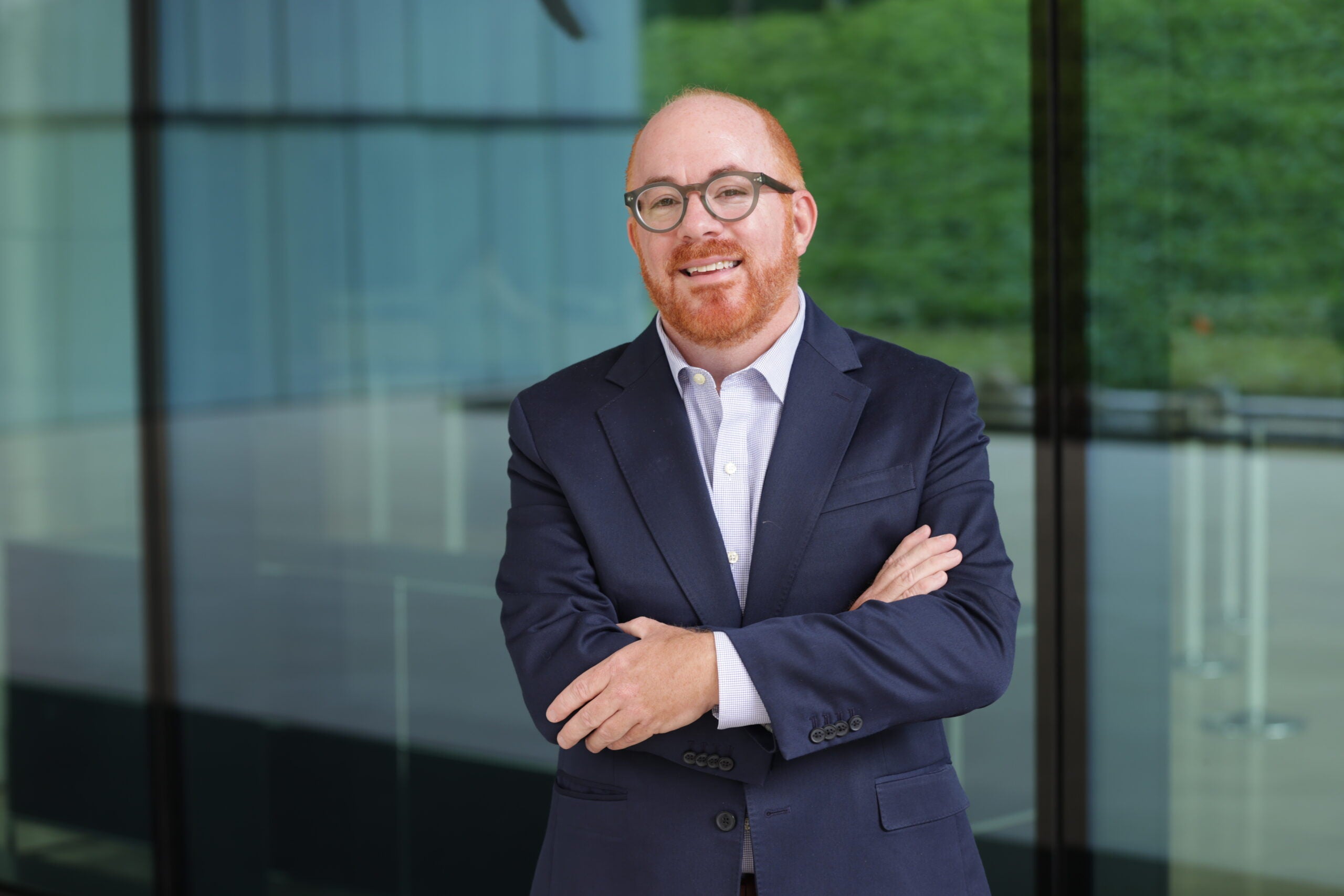
Dr. Matthew Kavanagh works at the intersection of global health, law, and political economy. His research and policy work focus on the drivers of access to healthcare and medicines in low- and middle-income countries and the impact of human rights and constitutional protections on health outcomes.
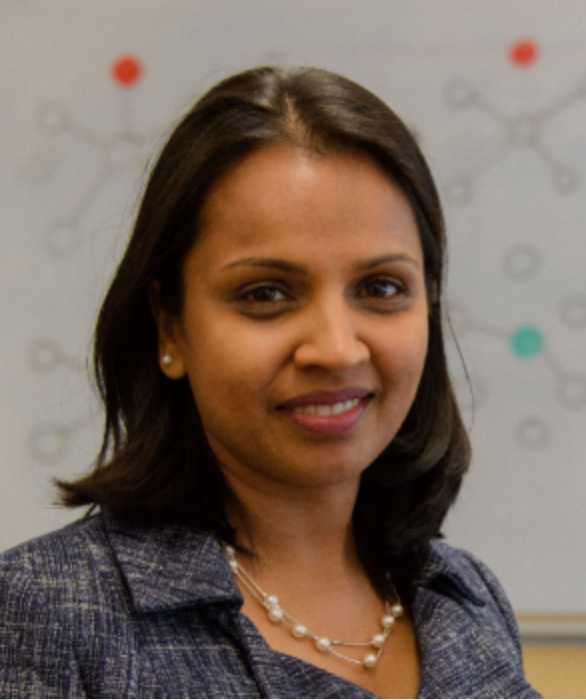
Dr. Shweta Bansal’s laboratory focuses on the social interactions that facilitate infectious disease transmission between hosts. The goal is to understand how social behavior and population structure shape infectious disease transmission and how knowledge of such processes can improve disease surveillance and control.
Dr. Katherine Robsky is a Research Assistant Professor in the Division of Internal Medicine, Department of Medicine, at the Georgetown University Medical Center and the Lead for Epidemiology, Surveillance, and Data Science at the Center for Global Health Practice and Impact. She is an infectious disease epidemiologist with additional interests in the application of implementation science, health equity and developing in-country research capacity.
Dr. Margaret Baker is an Associate Professor in the Department of Global Health at Georgetown University. She has over twenty years of experience in global health, focusing on neglected tropical diseases (NTDs). Her work includes roles at RTI International, the UK government, and the Liverpool School of Tropical Medicine, with fieldwork in Vanuatu and the Dominican Republic.
Dr. Deus Bazira is the Director of the Center for Global Health Practice and Impact at Georgetown. He has more than 25 years of experience in global health and health systems, strengthening with fieldwork experience in more than 15 countries spanning health policy development, health sector regulation, and public health programming.
Dr. Rebecca Katz’s research is focused on global health security, public health preparedness and health diplomacy. Much of her work focuses on the domestic and global implementation of the International Health Regulations and global governance of public health emergencies.
Stephanie Eaneff, Senior Biostatistician and Research Professor
Stephanie is a statistician and a research instructor with the Georgetown University Center for Global Health Science and Security. She develops, documents, and evaluates data-driven systems in healthcare and public health. In this work, Steph collaborates closely with healthcare providers, legal experts, and health systems researchers to use data and emerging AI/ML technologies to inform real-world questions.
Dr. Jishnu Das is a professor at the McCourt School of Public Policy and the Walsh School of Foreign Service at Georgetown University. Jishnu’s work focuses on health and education in low and middle-income countries, with an emphasis on social markets, or common, but complex, conflagrations of public and private education and health providers operating in a small geographical space.
Dr. Jesse Goodman directs Georgetown COMPASS, which focuses on science based policy and research to address unmet public health needs with an emphasis on product development and access and antimicrobial resistance and stewardship.
John Kraemer is an associate professor in Georgetown University’s Department of Health Management and Policy, and affiliated with the university’s O’Neill Institute for National and Global Health Law and African Studies Program. Trained in both public health and the law, his work focuses on the intersection of empirical evidence and public health policy. He mainly studies women and children’s health in rural populations in sub-Saharan Africa and road safety for vulnerable road users.
Peter Armbruster, Davis Family Distinguished Professor
Research in Dr. Peter Armbruster’s laboratory is focused on understanding processes of phenotypic evolution in natural populations and the molecular bases of adaptation.
Dr. Sivan Leviyang’s laboratory centers on modeling viral infection and immune response. The viral work mostly involves modeling early HIV infection with the goal of improving the understanding of the early CTL and antibody response and their effect on intrahost HIV evolution and pathogenesis.
Dr. Christopher Loffredo’s research focuses on environmental and genetic causes of cancer and birth defects, and especially on the roles that genetics play in mediating the risks from environmental chemical exposures.
Dr. Mark Meyer’s primary areas of methodological research are functional data analysis, wavelet and spline-based regression, categorical data analysis, longitudinal data analysis, Bayesian statistics, and environmental statistics.
Professor John Monahan is the Senior Advisor for Global Health to Georgetown University President John J. DeGioia; Senior Fellow, McCourt School of Public Policy; and Senior Scholar, O’Neill Institute for National and Global Health Law.
Dr. Nelson is a computational biologist with the National Institutes of Health who studies pathogen evolution. She uses large-scale genetic data to study rapidly evolving RNA viruses at the human-animal interface, including coronavirus and influenza. Please note that adjunct professors do not take PhD students.
Dr. Padmanabhan’s laboratory studies the basic mechanisms of dengue virus RNA translation and replication and 5’-capping using membrane-bound complexes isolated from infected cells. Using proteomics approach, they are working on indentifying viral and host proteins in the purified membrane-bound replication complexes that are active in the in vitro replication assay. Dr. Padmanabhan will not be recruiting a doctoral student for the upcoming cycle.
Dr. Michael Plankey’s research expertise has focused on the methodological approaches to analyze complex longitudinal data related to the syndemic production of social, psychological and behavioral risk factors and HIV health outcomes among sexual minority and race/ethnicity minority men and women.
Paul Roepe, Professor Dr. Paul Roepe’s laboratory hopes to elucidate mechanisms of resistance to cytotoxic drugs so that better therapy can be developed, and also to design, synthesize and test new drugs based on that information.
Dr. Ronda Rolfes Devers’ research group is interested in how microbial cells sense environmental conditions and how they use that information to change gene expression to affect cell morphology and physiology.
Dr. Vincent Turbat began his career as a junior lecturer/researcher in economics in 1972. He later joined the World Bank as a health economist, focusing on health sector programs and operations in East Asia and Africa. After retiring in 2010, he returned to teaching, researching, and consulting. Dr. Turbat holds a PhD from the University of Aix-Marseille II.
Research in Dr. Christian Wolf’s research group is very interdisciplinary and includes organic reaction development, green chemistry, catalysis, chirality, optical sensing, high-throughput screening methodology and drug discovery.
Dr. Michael Stoto’s research includes methodological topics in epidemiology and statistics including systematic reviews/meta-analysis and other analytical methods for comparative effectiveness research, community health assessment, evaluation methods, and performance measurement. Dr. Stoto will not be recruiting a PhD student for the upcoming cycle.
With more than 30 years of experience in biomedical science and global health policy and programming, Dr. Felice Apter has deep knowledge in advancing complex international health efforts across governmental, non-governmental, academic, and philanthropic organizations. Please note that adjunct professors do not take PhD students.
His research interests include global health and sustainable development, with a focus on interventions to improve the well-being of vulnerable populations affected by fragility, conflict, and violence, particularly in the Democratic Republic of Congo. He has studied cash-like vouchers; water, sanitation, and hygiene; social support; empowerment training; health infrastructure; and public work programs.
Dr. Tiffany Zarrella’s research focuses on deciphering the molecular mechanisms that underlie heterogeneity and pathogenic behaviors within multispecies microbial communities.
Kathryn serves as the Associate Director for the Global Infectious Disease and Global Health programs supporting graduate students from application to graduation. Prior to joining Georgetown, she worked for her alma mater, the University of North Texas, serving the Honors College and Texas Academy of Mathematics & Science (TAMS) departments. Outside of the office, Kathryn is a hobbyist photographer and aerialist.